For a few years the Motorola RAZR was not a phone. It was a shape. Thin enough to brag about. Metal enough to click shut in a way cheap plastic never did. You saw it in a pocket before you saw the person.
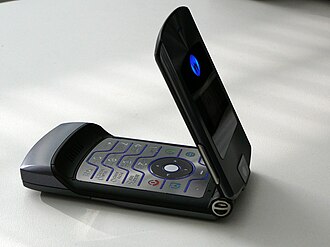
A carrier object as much as a Motorola one
The V3 arrived in the mid-2000s, when carriers still owned the shop floor. In the US it was a Verizon or a Cingular object as much as a Motorola one. In other markets the same silhouette showed up with different badges. People remember the hinge, not the SKU. The later V3i is the same silhouette with later internals. Put the year you bought it. See 2004 and Motorola on this map.
The trap after the thin phone
It was also a trap. Once you had a RAZR, the next phone had to be thinner, shinier, or have a better camera. A lot of those next phones were worse at being phones. The RAZR was already a compromise: style first, keypad second, battery somewhere in between.
If you owned one before June 2007, it belongs on the map. So does the ugly handset you had before you saved up for it. The RAZR only makes sense as a station if the line has a before. Open the catalog by year. Search RAZR. Put a V3 on the line. If the exact variant is missing, pick the closest V3-class Motorola from the year you bought it. The poster is a memory, not a spreadsheet for auction sites.